
Top 20 Docker Interview Questions that are asked
Saturday, January 7, 2023
Docker Interview Questions are asked because there are a lot of advantages and objectives to it. There are high chances of correction of speech, as any misunderstanding and mistake can be corrected then and there by the interviewer.
There are high chances of the development of relationships and the collection of primary knowledge, as it only gives you a good experience and motivates you to do better and improve yourself.
It increases your knowledge and gives you an in-depth knowledge about everything important to move ahead in your career.
When was Docker introduced?
Docker was introduced in 2013 when it was striking the IT Industry and turned out to be great till the end of 2017, and due to the excessive demand for Docker Industries and technical field has started switching to the usage of Docker.
Here is the list of the top 20 Docker Interview Questions.
What is Docker?
Docker is a tool used to create containers that are isolated, lightweight packages of software meant to ensure the smooth running of an application. It is an open-source platform that enables developers to package applications into containers.
2. What are the benefits of using Docker containers?
There are several benefits of using Docker:
It offers an initial setup that is easy and efficient.
It allows you to give a detailed explanation of your application lifestyle.
Has a simple configuration method and an interaction with Docker Compose.
Every piece of information is provided by Documentation.
3. List the important features of Docker
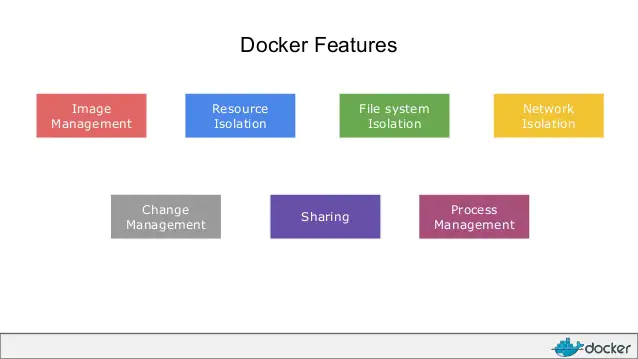
The Important features of Docker are:
Version Control.
Application Agility
Developer Productivity
Placement/Affinity
Operational Efficiencies
4. State a few demerits or drawbacks of Docker
The important demerits of Docker are:
Docker doesn’t provide an option for storage.
It offers a very poor monitoring option.
Inactive Nodes have no automatic rescheduling.
The setup of automatic horizontal scaling is very complicated.
5. Give an introduction about Docker Image
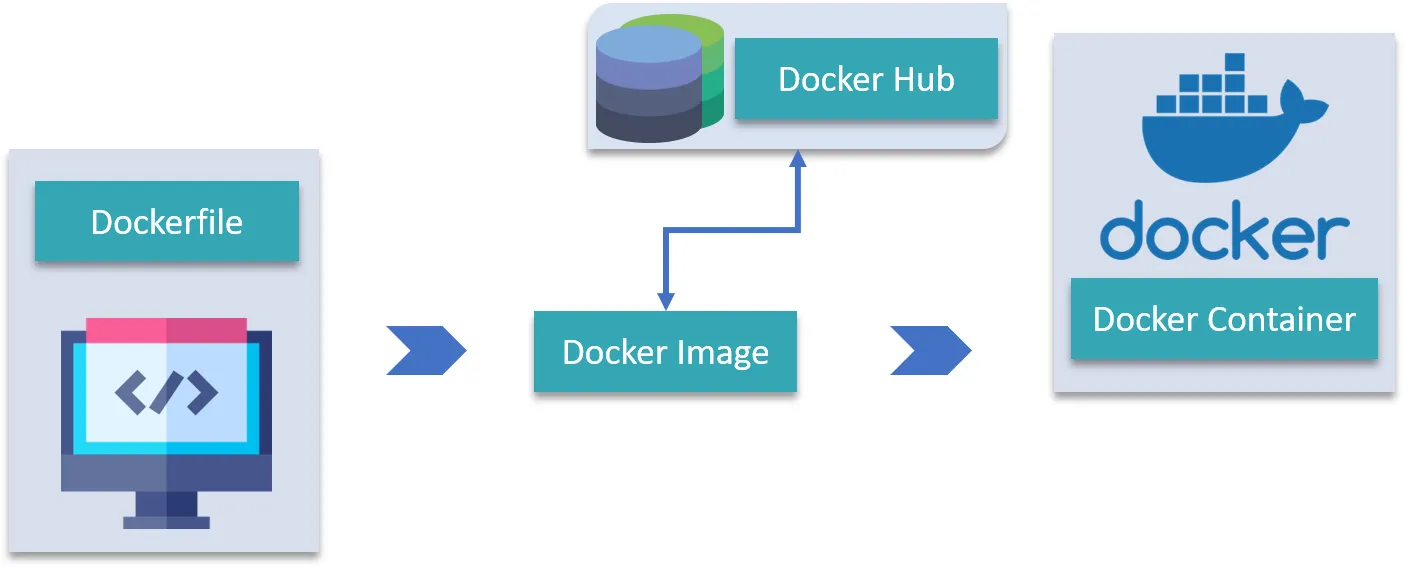
The Docker image is something that helps in creating Docker Containers. Docker images can be created with the build command.
Just because of this, Docker creates a container that starts only when it starts to run. Docker registry is where all the Docker images are stored.
6. What is Docker Engine?
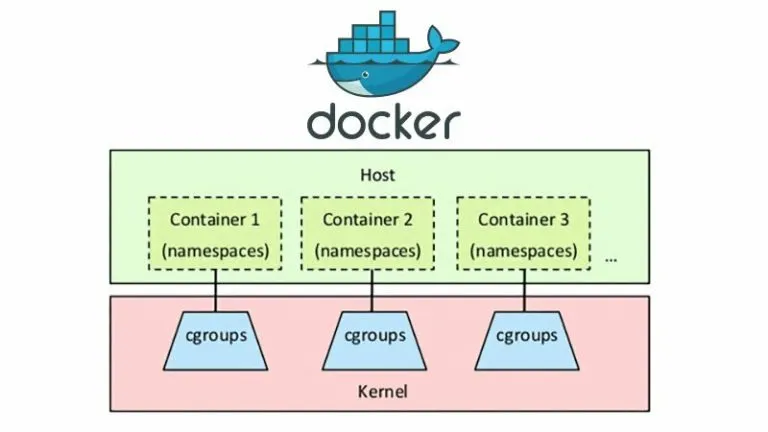
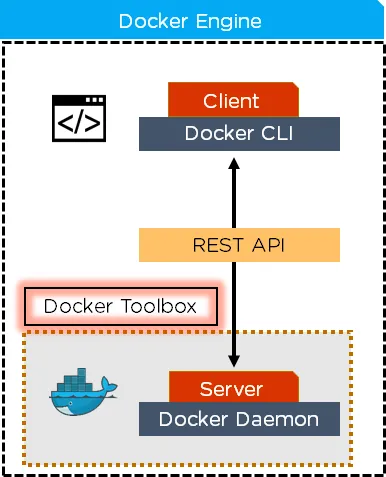
The server is either represented by the Docker daemon or Docker Engine. The same remote host should be used to run both docker daemon and the clients, where it can be able to have a communication with the help of the command-line client binary and a full RESTful API.
7. Explain about Registries.
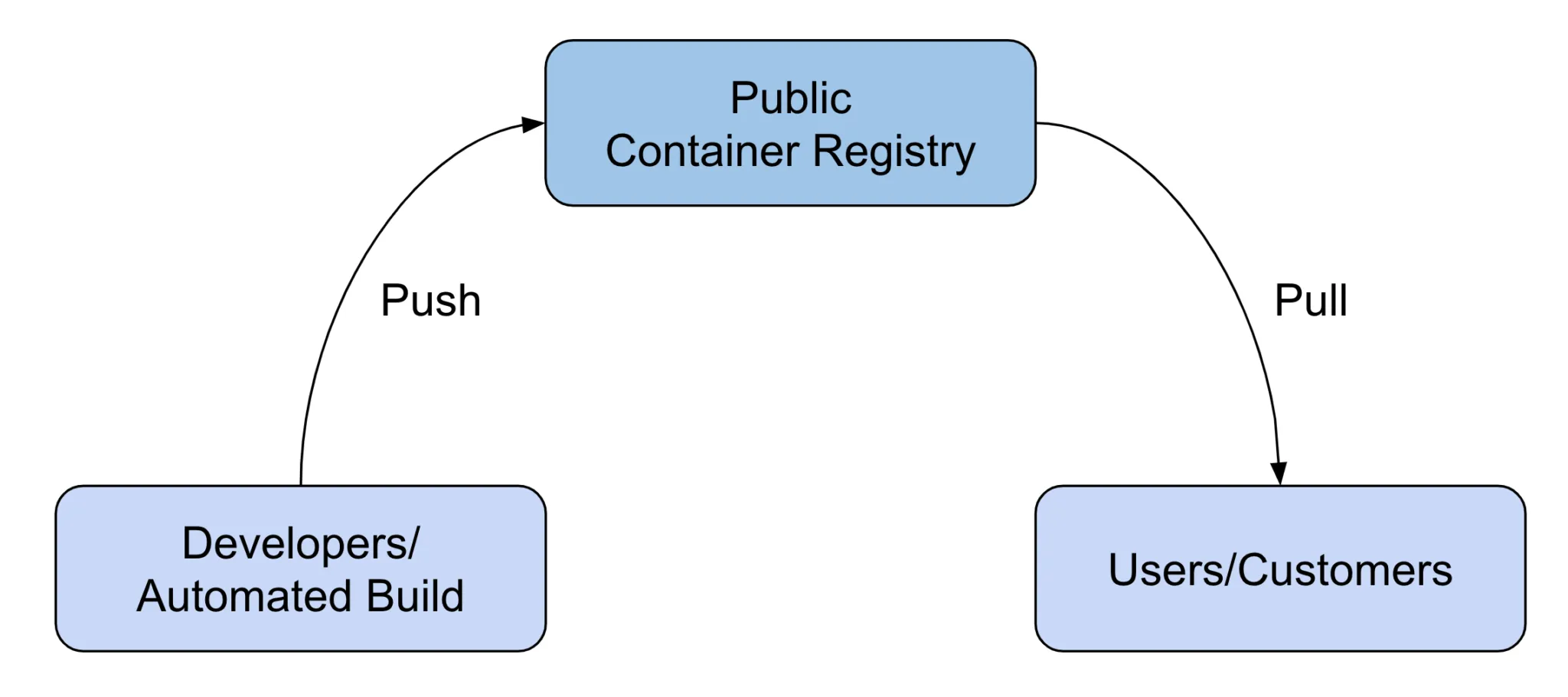
There are mainly two types of registries:
Public Registry.
Private Registry.
The Public Registry of Docker is called a public registry, and it allows you to privately store your images. On the other hand, in Docker Hub, you are able to store thousands or millions of images.
8. What is Docker Swarm?
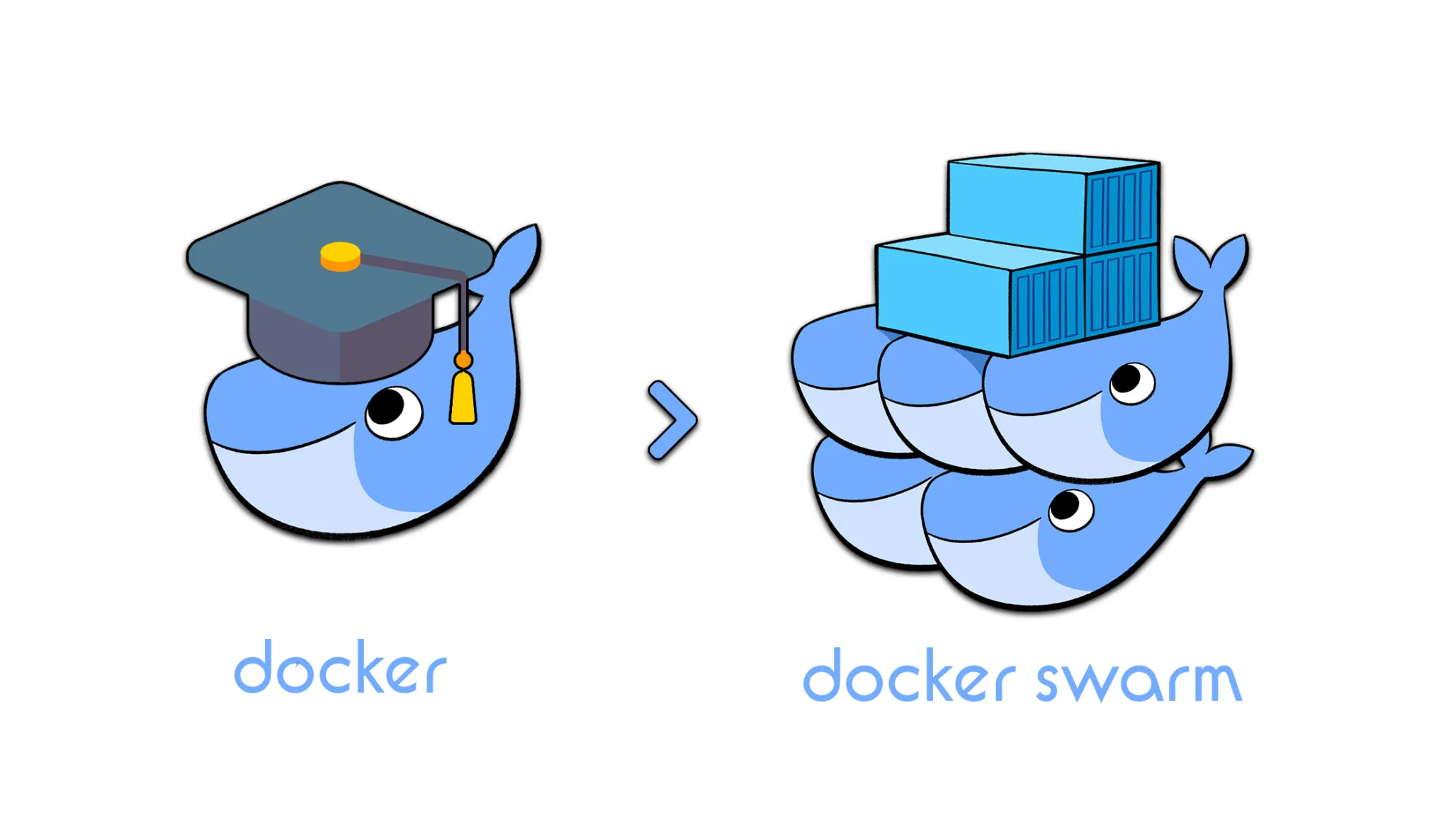
Docker Swarm is an old method for the collection of Docker and it helps you to convert into a single or virtual docker host from a group of Docker hosts. It provides you with the standard Docker Application Programming Interface.
9. What are the various states of a Docker Container?
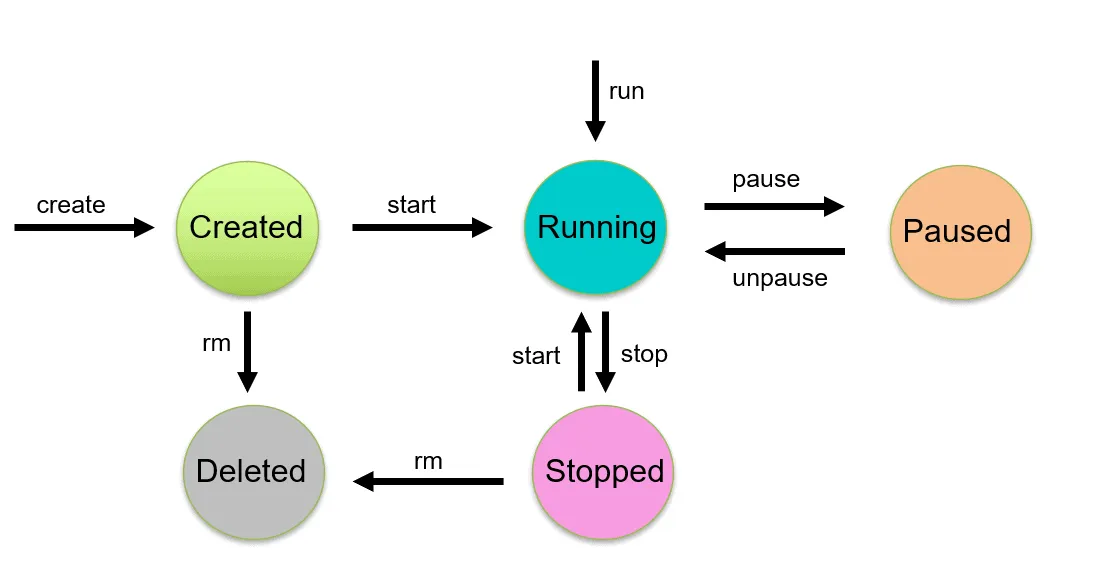
The different yet necessary states of Docker Container are:
Running
Paused
Restarting
Exited
10. Introducing Virtualization and Docker Hub
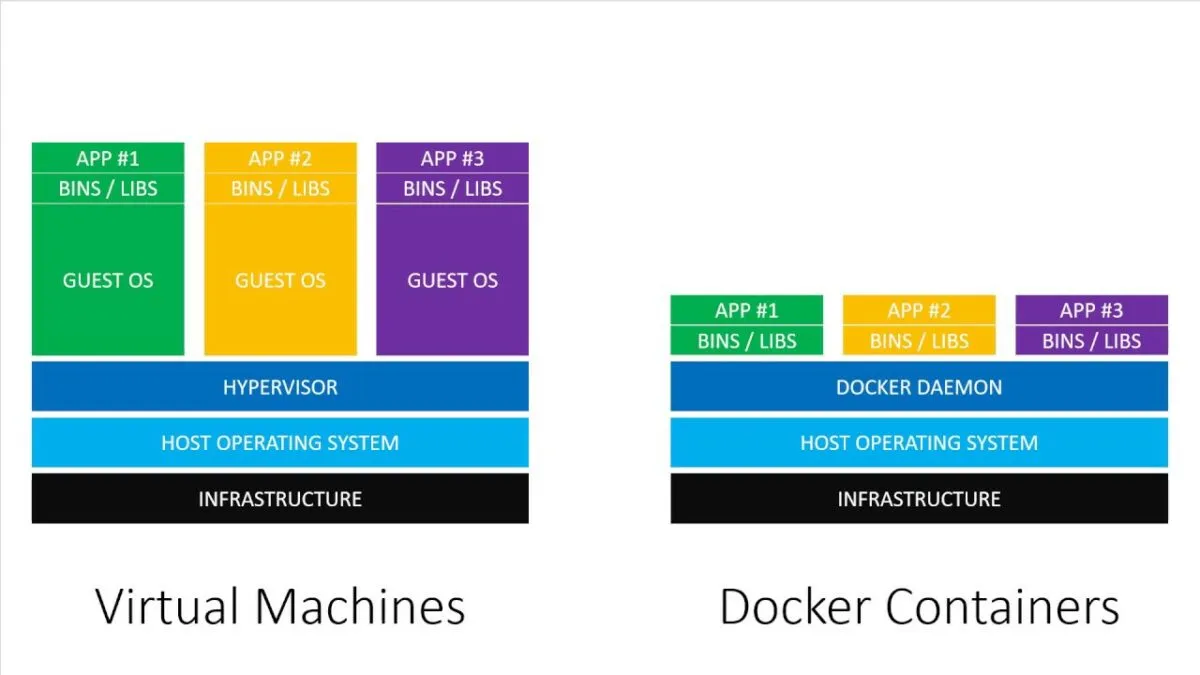
Virtualization is a process where mainframes are divided in a logical manner so that it allows various applications to run all together.
Docker, on the other hand, is a registry of cloud-based and helps you to build a connection to code repositories. Docker Hub allows you to store, test, or build your image in Docker Cloud.
You can also categorize the image for your host by taking the help of Docker Hub.
11. Differentiate between virtualization and containerization.
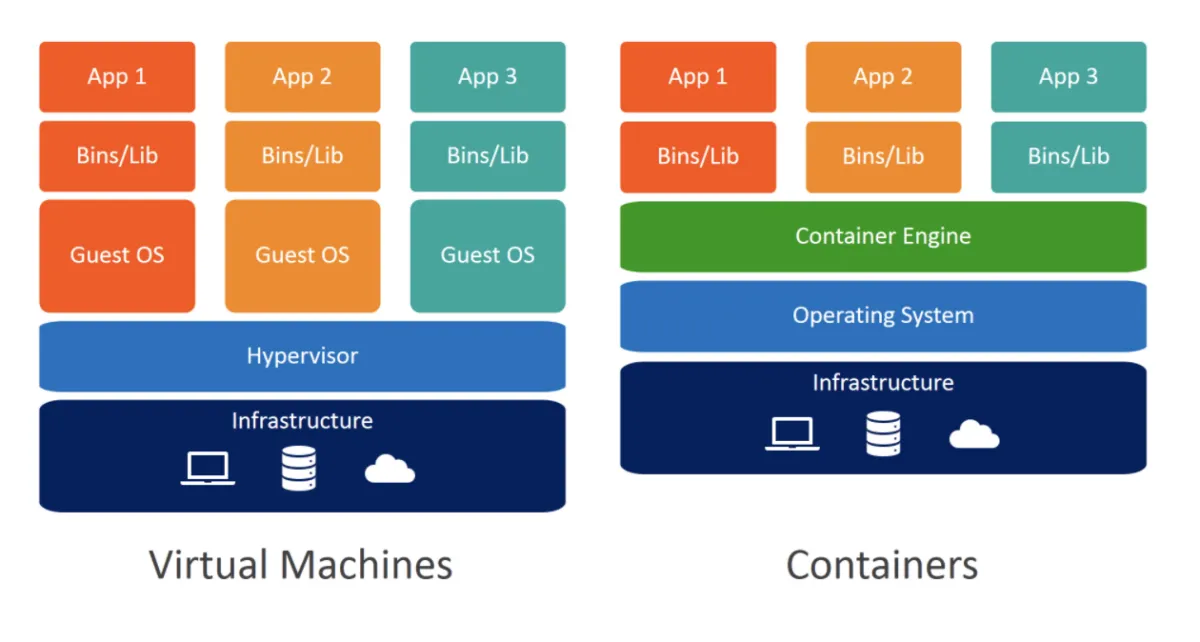
If you’ve explained containerization and virtualization, then the next question you are expected to be asked is the difference between the two of them.
So, containers provide an environment that is isolated so that applications can run. The whole user space is specifically assigned to the application. If any changes are made within the container, then they will never be reflected on the host.
12. Explain Docker Architecture
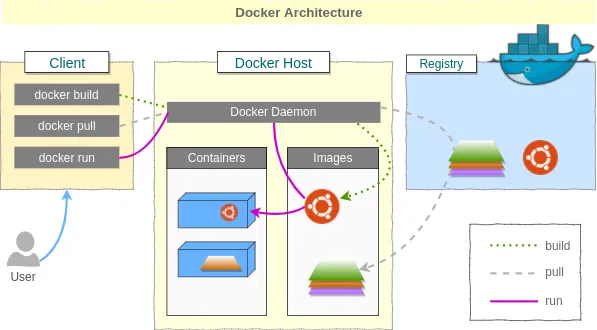
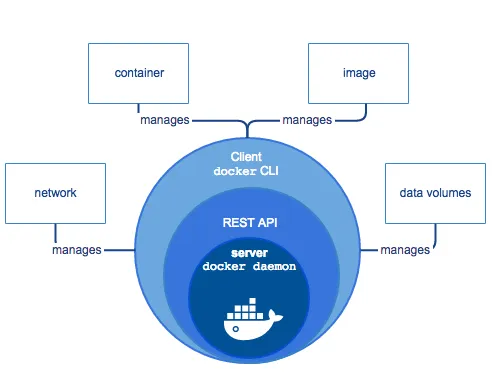
Docker Architecture contains a Docker Engine, which is known as a client-server application, along with three important components:
A server is a kind of long-running program and is termed a Daemon Process.
The REST API describes interfaces that programs can use to communicate with the Daemon and also to instruct what is supposed to be done.
CLI, Command Line Interface Client.
CLI uses Docker REST API to control or have an interaction with the Docker Daemon, along with scripting or straight CLI commands.
There are a lot of other Docker Applications that use fundamental API and CLI.
13. What do you understand about Dockerfile?
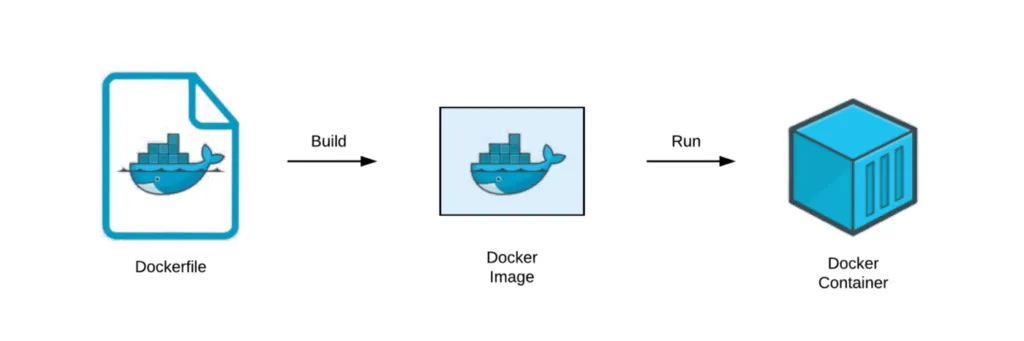
We’ll start with a small introduction to Dockerfile and can move ahead by demonstrating some examples and the essential commands to back up your arguments.
Docker can make images by reading the instructions automatically, which are in the file called Dockerfile.
Docker file is known as a text document that consists of all the commands that a user can call on the command line to create an image. If you use Docker build, then users will be able to make an automated build that performs multiple command-line directions or instructions in a cycle.
There’s also one thing that you need to remember, the interviewer not only expects the definitions, but you also need to explain how to use a Dockerfile, and that only comes with experience.
14. Make a list of the lifecycle of a Docker Container
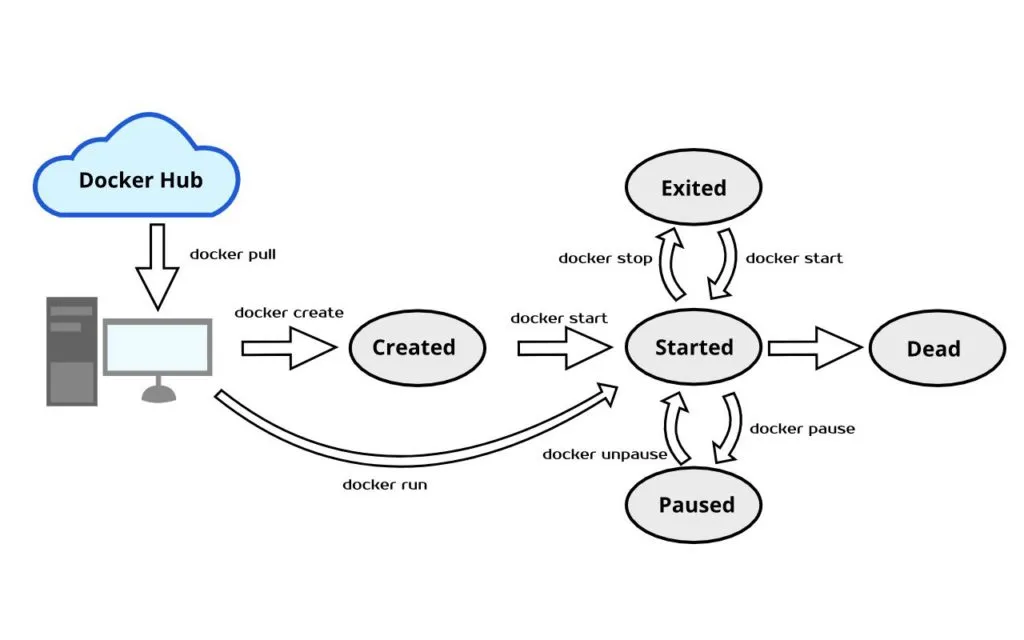
This is one question that is asked the most when you go to Docker interviews. The containers of Dockers have the cycle that is mentioned below:
You need to create a container.
You need to run the container.
It is totally optional if you want to pause the container.
Then unpause the container.
After that, start the container.
Then stop the container.
Just after that, restart the container.
Then kill the container.
In the end, destroy the container.
15. Give an Introduction about Docker Namespace
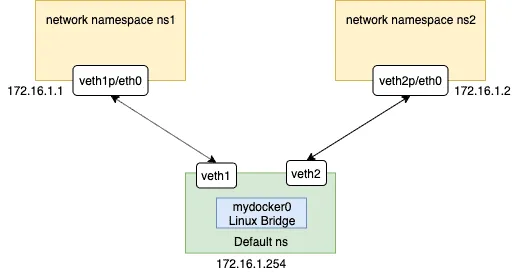
Well, a namespace is an essential feature of Linux and a core concept of containers. The thing that namespace does is that it adds an isolation layer in containers. In order to stay portable and keep the underlying host system unaffected, Docker gives several namespaces. Few types of namespaces are supported by Docker:
Mount
PID
User
IPC
Network
16. Explain the hypervisor in Docker

A hypervisor is a software because of which virtualization possible. It is known as Virtual Machine Monitor. The work of a hypervisor is to divide the host system and to distribute the resources to all virtual environments that are divided.
One can actually have a variety of OS on a single host system. Generally, Hypervisors are of two types:
Type 1- It is also called an old method or bare metal Hypervisor. It works straightaway on the host system and directly accesses the host system.
Type 2.
17. What do you understand about Docker Object Labels?
The term Docker Object Labels is a process that is used for applying metadata. The metadata is also applied on images, containers, volumes, swarm modes, and network,s which are obviously Docker objects.
18. How can you scale your Docker containers?
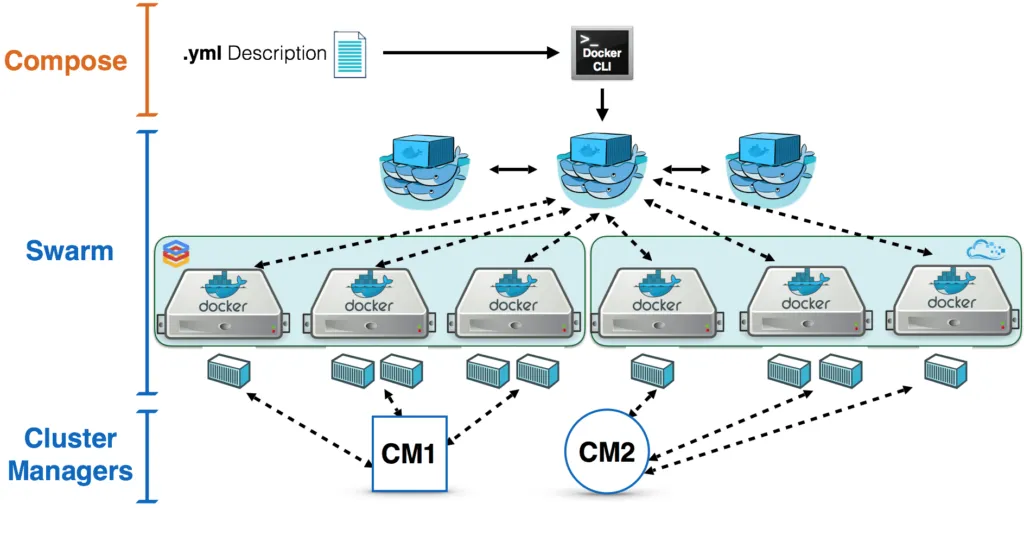
There’s no specific level of scaling for Docker Containers. The scaling of containers can start at any level, which is from hundreds to thousands or millions. But only on one condition that the Docker containers should have the memory and OS for the whole time. There should be no interruption when the scaling of Docker is going on.
19. Talk about the various kinds of volume mount types that are available in Docker
There’s only one kind of volume mount types when we talk about Docker, and that is:
Bind Mounts- The host system is the place in which it can be stored at any place.
20. How can you configure the default logging driver under Docker?
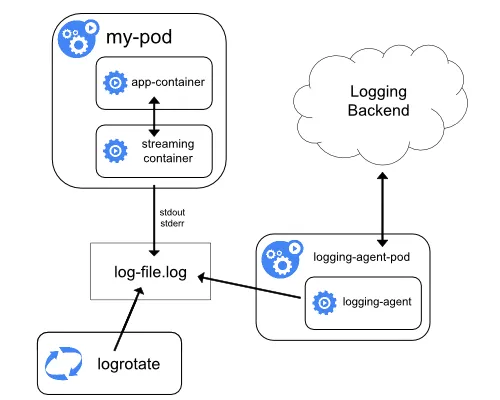
If you want to configure the Docker Daemon to default and that too, to a specific logging driver, then you are supposed to mark the value of the log driver in the name of the logging driver.
So the interview plays an important role in our lives, and in case you want to know about the course and how it can help you in your career, and if you have any queries or doubts related to anything, then you can visit the website that’s mentioned below.

The founder of Network Kings, is a renowned Network Engineer with over 12 years of experience at top IT companies like TCS, Aricent, Apple, and Juniper Networks. Starting his journey through a YouTube channel in 2013, he has inspired thousands of students worldwide to build successful careers in networking and IT. His passion for teaching and simplifying complex technologies makes him one of the most admired mentors in the industry.